
What is the Model Context Protocol (MCP) in ChatGPT Shopping?

While early versions of ChatGPT Shopping relied on static data and brittle plugins, the introduction of the Model Context Protocol (MCP) has turned the AI into a living, breathing digital salesperson with real-time access to your store’s deepest inventory. Developed as an open standard to bridge the gap between Large Language Models (LLMs) and external data, MCP allows ChatGPT to move beyond its training data and interact directly with Shopify and Amazon ecosystems.
- The "Universal Connector": MCP acts as a standardized interface, allowing ChatGPT to instantly "plug in" to external databases without custom, one-off integrations.
- Real-Time Data Fidelity: By using MCP, ChatGPT can verify live stock levels, current pricing, and shipping windows directly from your backend, eliminating AI "hallucinations."
- Agentic Shopping Capability: MCP enables AI agents to take action such as creating carts or processing returns rather than just answering questions.
- Open Source Industry Standard: Originally developed by Anthropic and now supported by OpenAI and the Linux Foundation, MCP is the infrastructure for the next decade of commerce.
- Contextual Intelligence: The protocol passes more than just text, it shares "context" like user history and technical specs to make product recommendations hyper-accurate.
What is MCP? The Architecture of Conversational Commerce
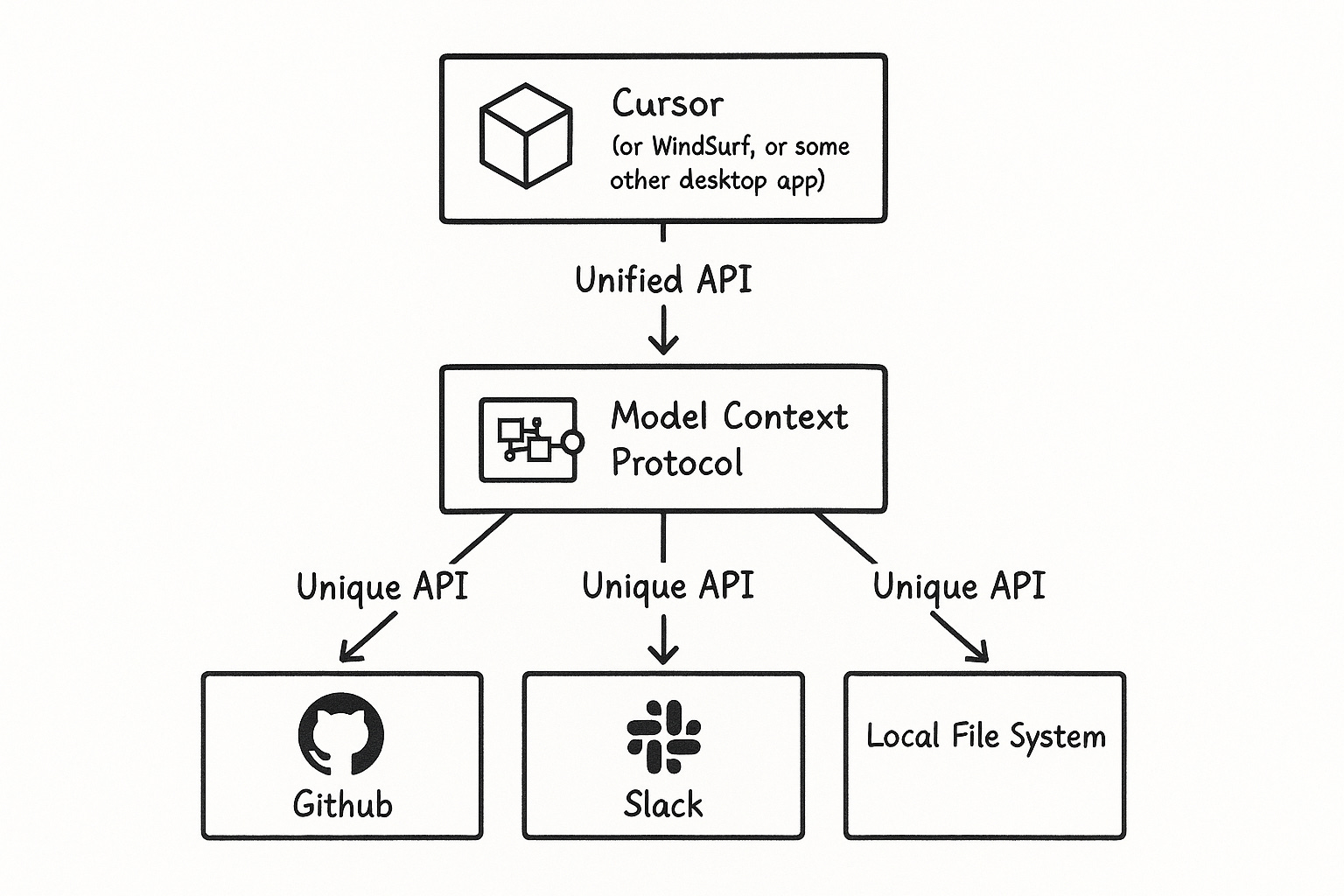
The Model Context Protocol (MCP) is a standardized communication layer that lets AI models securely "query" external systems like a human developer would use an API.
Think of MCP as a universal translator. Before this protocol, if you wanted ChatGPT to see your Shopify store’s inventory, you had to build a complex, proprietary plugin. If you then wanted to connect to Amazon or a custom ERP, you had to start from scratch. MCP replaces this fragmented approach with a client-server architecture where the AI (the client) can "discover" the capabilities of your store (the server) automatically.
This is a game changer for ChatGPT Shopping. Instead of relying on web scraping or outdated training data, the AI uses MCP to ask your database: "Does this user's preferred color of running shoe exist in a size 10 in the New York warehouse?" Because the protocol is standardized, developers can build an "MCP Server" once and have it work across ChatGPT, Claude, and other future AI agents.
How MCP Powers the "Real-Time" Digital Shelf
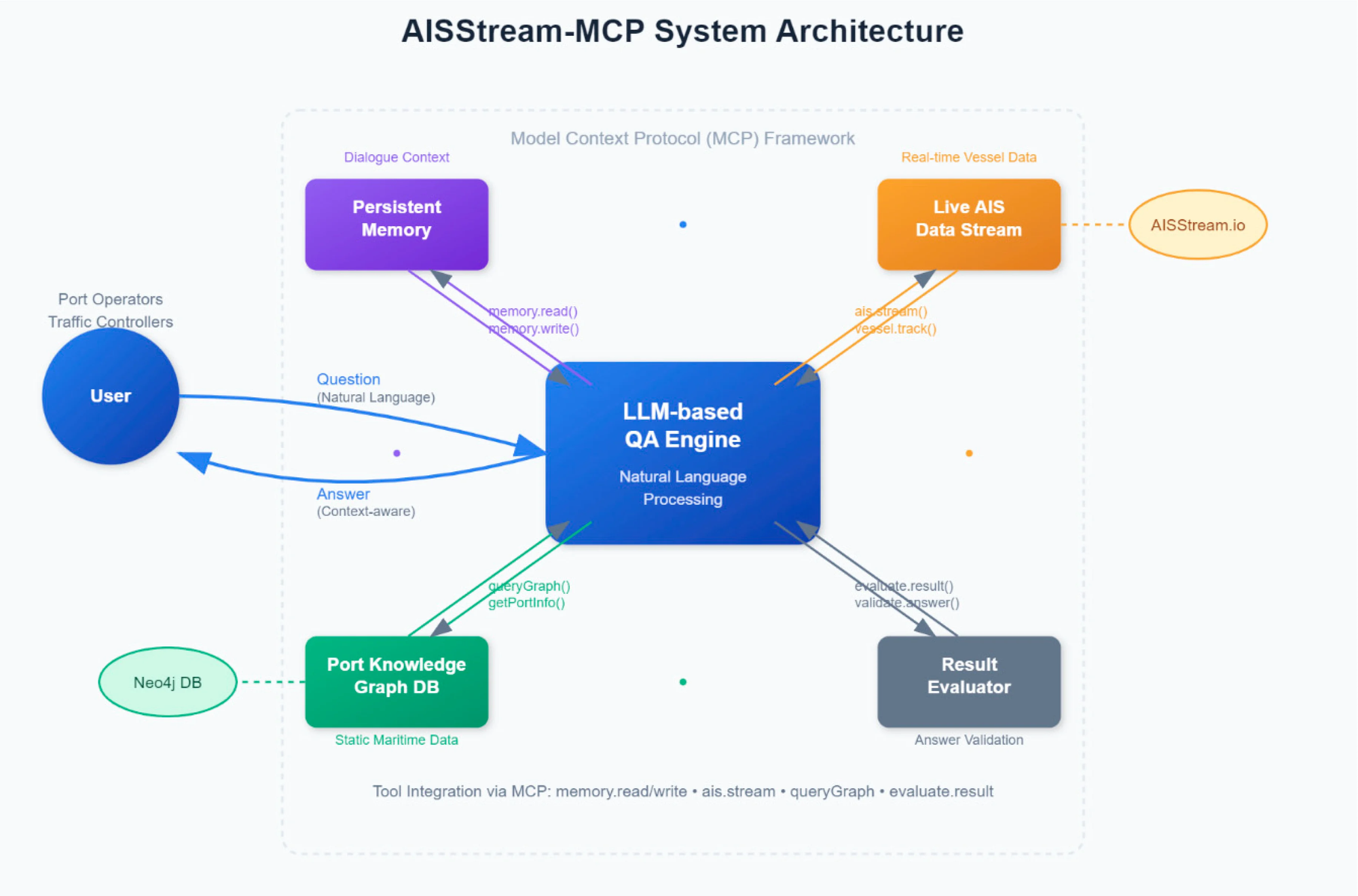
By eliminating the data lag between a store's backend and the AI response, MCP ensures that every shopping recommendation is actionable.
One of the biggest hurdles for early AI commerce was the "Out of Stock" problem. An LLM might recommend a product based on a blog post it read in its training data, only for the user to find it was discontinued months ago. MCP solves this through "Dynamic Discovery."
Why it matters
MCP represents a massive reduction in integration debt. You no longer need a massive engineering team to make your brand "AI-ready". By implementing an MCP server, your product data becomes a structured asset that any major AI model can interpret and sell.
From Discovery to Agency: The Rise of Shopping Agents
MCP is the primary engine behind Agentic AI, moving the user journey from "tell me about this" to "do this for me".
In the traditional search model, a user finds a product and does the work of buying it. In the MCP-enabled ChatGPT Shopping model, the user provides the intent ("Find me a high-end espresso machine for a small kitchen"), and the AI handles the logistics.
The protocol allows the AI to invoke tools. A tool might be search_catalog, get_shipping_quote, or create_checkout_session. Because MCP provides the AI with the exact "schema" (the instructions) for these tools, the AI can reason its way through a complex purchase. It can compare two models, check your loyalty points via a CRM integration, and suggest the best delivery day all because it is plugged directly into your business logic via MCP.
The Developer Advantage: Building Once for Every Model
The standardization of MCP allows developers to focus on data quality rather than the plumbing of AI integrations.
For developers, the beauty of MCP is its simplicity. It uses standard transports like JSON-RPC over HTTP or WebSockets. OpenAI recently integrated the MCP SDK into their Apps framework, meaning you can now build "ChatGPT Apps" that use MCP to sync to-do lists, CRMs, or most importantly e-commerce catalogs.
How it works:
- The Server: You host a small service that "exposes" your Shopify data.
- The Manifest: You provide a JSON list of what the AI can do (e.g., "I can list products by category").
- The Handshake: When a user starts a shopping session, ChatGPT connects to your MCP server and "learns" your store's capabilities in real-time.
This decoupling of the model from the data source means that as OpenAI releases GPT-5 or newer versions, your integration doesn't break. The protocol remains the constant.
Why Investors and Founders Should Pivot to MCP Today
The Citation Gap and Visibility Gap are closed by MCP, making it the most valuable SEO asset of 2026.
We are moving into an era where Share of Model is more important than Share of Search. If your brand is not accessible via an MCP connection, you are effectively invisible to the millions of users who are starting their shopping journeys inside ChatGPT.
Investors are increasingly looking for Agent native companies. These are brands whose supply chain, inventory, and customer service are all exposed via protocols like MCP. This transparency makes your brand preferable to the AI. If an AI agent has two products to recommend, it will always choose the one where it can verify the price, confirm the stock, and execute the sale through a secure MCP handshake.
Conclusion: The Infrastructure of the Future
The Model Context Protocol is not just a technical update, it is the constitutional framework for the next era of the internet. By standardizing how AI interacts with our private data and commercial systems, MCP has paved the way for ChatGPT Shopping to become the world’s most powerful marketplace. For marketers and developers, the mandate is clear: the age of the static website is fading, and the age of the "Context-Aware Storefront" has begun. Brands that adopt MCP now aren't just improving their SEO they are building the very nervous system that will power the future of global commerce.
You can try a free AI Visibility tool at mention.network to see how your brand shows up in AI answers.
If you have any questions, email us at [email protected], or book a quick call for free support with our team here
Frequently Asked Questions (FAQ)
Is MCP the same as an API?
No. While it uses APIs, MCP is a protocol that standardizes how those APIs are described and used by AI models, making them "discoverable" without custom coding.
Does MCP work with Shopify and Amazon?
Yes. Shopify has already released "Storefront MCP" tools, and third-party developers have created MCP servers that bridge Amazon's Seller Central data to LLMs.
Is my data secure when using MCP?
Yes. MCP is a "sandboxed" protocol. The AI only sees the specific tools and data points you choose to expose, and it cannot bypass your existing authentication or security layers.
Do I need a special developer to set up MCP?
Any developer comfortable with Node.js, Python, or standard web APIs can set up an MCP server using the open-source SDKs provided by Anthropic and OpenAI.
How does MCP affect my Google ranking?
While MCP is for AI search, the "clean data" required for MCP (like structured Schema.org markup) also significantly boosts your traditional SEO and Google Merchant Center performance.