
2026 SEO Strategy: Optimize AI Content to Beat Google's Algorithm


In the lead-up to 2026, the battle for top SERP positions is no longer about generating the most content, but the most valuable content. Google's algorithmic shift driven by the Helpful Content System and the Search Generative Experience (SGE) prioritizes genuine expertise and human experience over scaled, generic AI output. This article delivers the definitive, actionable playbook for marketers seeking to harness AI’s efficiency while strategically optimizing for Google's most crucial ranking signals.
- Human-AI Synergy is Mandatory: AI must be treated as a powerful first-draft assistant, not a final publisher. Human oversight is the non-negotiable step for quality.
- E-E-A-T is the AI Filter: Content must demonstrate verifiable Experience, Expertise, Authoritativeness, and Trustworthiness to avoid algorithmic demotion.
- LLM Readability is Technical SEO: Structured data, clear semantic HTML, and concise answers are essential to get cited in AI Overviews (SGE).
- Originality Beats Volume: Prioritize proprietary data, unique case studies, and firsthand accounts that generic LLMs cannot replicate.
- Focus on Topic Depth: Build comprehensive Topic Clusters (Hub-and-Spoke models) to establish site-wide authority, which AI and Google trust more than single pages.
1. The Human-AI Synergy: The New Standard for E-E-A-T
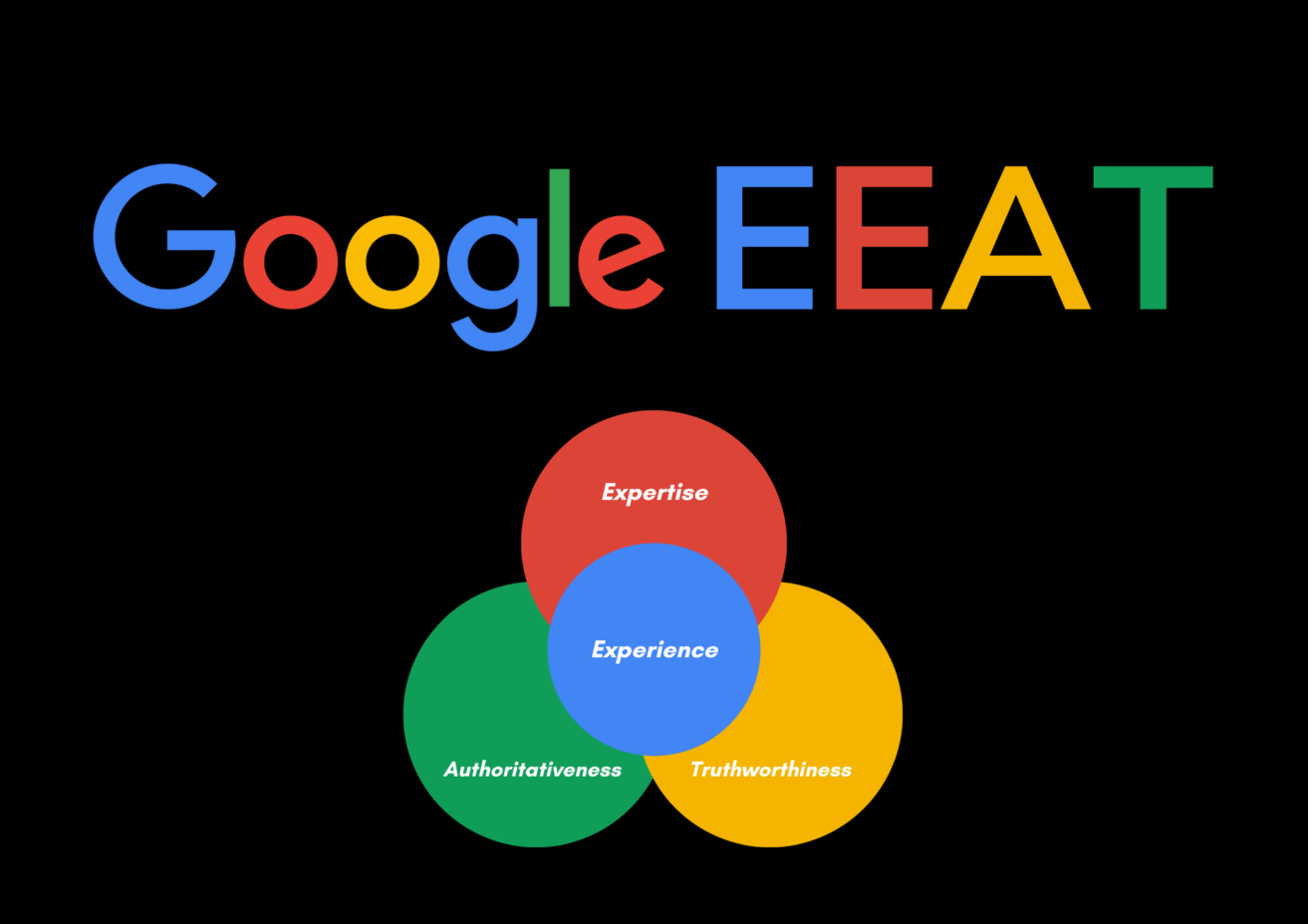
In 2026, content that ranks highest will be a sophisticated blend of AI-driven efficiency and human-validated experience, proving to Google and users that the information is trustworthy and original.
Google’s Helpful Content System (HCS) is a direct response to the flood of low-value, machine-generated content. It works as a quality filter, rewarding content created for people over content created for search engines. To "beat the algorithm," we must align with this intent by embedding non-replicable human signals into every piece of AI-assisted content.
Why E-E-A-T is the AI SEO
The core of E-E-A-T (Experience, Expertise, Authoritativeness, Trustworthiness) is the foundation of quality content by AI SEO
- Experience (The Game Changer): Generic AI excels at compiling existing information, but it cannot share lived experience. Your strategy must include manually injecting proprietary elements:
- Screenshots of real product usage or test results.
- First-person narratives ("We found that...") rather than abstract statements.
- Unique data points, proprietary research, or results from internal A/B tests.
- Expertise & Authoritativeness: While AI can mimic expert language, it lacks verifiable credentials. Always ensure:
- A prominent, detailed author bio with verifiable industry links (LinkedIn, certifications).
- Citations from primary, authoritative sources, not just other blogs.
- Content is structured around Entities (specific concepts, organizations, and people) which AI and search engines use to map knowledge.
The Human Oversight Workflow
A successful 2026 content operation requires a disciplined workflow that treats AI drafting as the start, not the end.
2. Technical AI SEO: Optimizing for LLM Readability (GEO)

With Google's Search Generative Experience (SGE) dominating the SERP, content must be technically structured to be easily parsed, cited, and summarized by Large Language Models (LLMs) and AI Overviews.
The emergence of Generative Engine Optimization (GEO) optimizing specifically for AI-powered answer systems is the next frontier of Technical SEO. In a world where the AI Overview often serves the answer before the user clicks, your goal is to be the trusted source citation.
Structuring Content for AI Citation
LLMs do not read like humans, they rely heavily on clear structural cues to process information efficiently. Your formatting is your new competitive advantage.
- Semantic HTML and Hierarchy: Use proper heading tags H1, H2 to create a logical outline. Each heading should be a clear, descriptive question or statement that the following block of text answers directly. Avoid vague, generic headings.
- The Concise Answer Rule: Start every major section with a short, direct, 1-2 sentence summary answer to the heading's implied question. This is the LLM Extraction Snippet and is prime real estate for being pulled into an AI Overview.
- Scannable Paragraphs: Keep paragraphs short no more than 3-4 lines. This facilitates easy extraction by LLMs and significantly improves readability for mobile users.
- Structured Data (Schema Markup): Schema is the language you use to speak directly to the algorithm. Prioritize these types:
- FAQPage: For questions and answers at the bottom of the article.
- HowTo: For step-by-step guides and tutorials.
- Article / Review: Ensures all core metadata (author, date published/updated) is clearly marked.
The Critical Role of Entity-Based AI SEO
The 2026 AI SEO algorithm prioritizes Topical Authority built on entities. Entities are specific, well-defined concepts (e.g. "Generative AI," "E-E-A-T framework," "Gemini LLM").
- How it Works: Instead of just repeating a keyword, content should demonstrate comprehensive knowledge by connecting related entities. Use AI research tools to identify and naturally weave in 5-10 related entities throughout the article.
- Example: When writing about "SEO" mention related entities like "Core Web Vitals" "Schema Markup" "Helpful Content System" and "Topic Clusters" to show breadth and depth of knowledge. This semantic richness signals expertise to the algorithm.
3. The New Content Battleground: Originality and Data

As AI democratizes content creation, the only sustainable competitive advantage left is providing data and insights that are genuinely original, proprietary, or observational.
Generic AI content is easily identifiable by its lack of depth and its tendency to be a composite of the top 10 search results. To achieve the "algorithmic victory" implied in the title, your strategy must pivot from content creation to content differentiation.
Injecting Proprietary Data
This is the most effective way to satisfy Google's Experience signal and guarantee originality.
- First-Party Research: Publish your own surveys, case studies, test results, and data visualizations. A graph generated from your company's data, with proper sourcing and explanation, is infinitely more valuable than a paragraph summarizing a third-party report.
- Unique Tool Integration: If your article discusses software, include actual screenshots, step-by-step workflows, or novel applications of the tool that only a power user (or your in-house expert) would know.
- The "Why" and "How" Disclosure: Be transparent about how your AI content was created and why it adds value. Google's guidance suggests this transparency helps reinforce Trustworthiness, especially for YMYL (Your Money or Your Life) topics.
Why it Matters: The Unhelpful Content Penalty
Google's Helpful Content System (HCS) acts as a site-wide classifier. If a significant portion of your content is deemed unhelpful (i.e., created primarily for search engine ranking rather than human value), it can depress the ranking of your entire domain. Focusing on originality is the primary defense against this penalty.
Multimodal Optimization: Beyond Text
In 2026, search is multimodal, it includes text, images, and video.
- Visual Authority: High-quality, unique images and custom diagrams (not stock photos) are crucial. They reinforce the "Experience" signal. Optimize them using descriptive file names, detailed alt text, and ImageObject schema.
- Video Integration: Embed short, helpful videos (from YouTube or your own platform) that provide a different format for the same content. This boosts time-on-page and provides a signal that your content is comprehensive.
4. The 2026 Strategy: Building Topic Clusters for Authority

The shift from prioritizing individual keywords to establishing site-wide Topical Authority through interconnected content clusters is the defining strategic move for long-term SEO success.
A Topic Cluster strategy, often called the Hub-and-Spoke model, helps the algorithm understand that your site is a deep, trustworthy source on a specific subject, making your pages significantly more likely to be cited by LLMs.
Implementing the Hub-and-Spoke Model
- The Pillar (Hub) Page: A single, comprehensive, long-form guide that broadly covers a high-level topic (e.g., "The Complete 2026 SEO Playbook"). This page targets a high-volume, competitive head keyword.
- Cluster (Spoke) Pages: Multiple, specific articles that dive deeply into subtopics mentioned in the Pillar (e.g., "LLM Readability Schema," "Advanced E-E-A-T Auditing," "AI Content Workflow Automation"). These target long-tail, intent-rich keywords.
- Strategic Internal Linking: Every Spoke Page must link back to the Pillar Page using relevant anchor text, and the Pillar Page must link out to all Spoke Pages. This structure demonstrates semantic relationships and passes authority across the cluster.
This system creates a "digital knowledge graph" that is highly appealing to both Google's ranking systems and sophisticated LLMs seeking authoritative sources.
Measuring Success in the AI Era
Traditional metrics like click-through rate (CTR) on blue links may decline due to AI Overviews. New focus must be placed on:
- AI Overview Citation Rate: Tracking how often your brand or URL is cited in Google's generative answers. This is the new visibility metric.
- Brand Search Volume: An increase in users searching directly for your brand name or proprietary concepts (e.g., "Brand X SEO Strategy") indicates successful authority building and SGE trust.
- Engagement Signals: Time on Page, Scroll Depth, and Low Bounce Rate, these metrics tell Google that the content is genuinely helpful and satisfying to human users.
Conclusion: The Path to Algorithmic Resilience
The year 2026 does not mark the end of SEO; it marks its required evolution. The age of purely mechanized content creation is over. The new playbook demands a visionary, dual-optimization strategy that leverages AI for speed and scale while fundamentally prioritizing human-validated quality. Founders, marketers, and investors who recognize that true content optimization now means injecting proprietary Experience, verifying Expertise, and structuring data for LLM citation will not merely "beat" the algorithm; they will align with its highest standards. The future of ranking belongs to those who successfully synthesize the speed of the machine with the irreplaceable value of the human mind.
FAQ
Will Google penalize me for using AI to write content?
No, Google does not penalize the use of AI itself. It penalizes content that is low-quality, unhelpful, and created solely to manipulate rankings, regardless of whether it was written by a human or an AI. The focus is on quality and E-E-A-T.
What is the most important E-E-A-T factor for AI content?
Experience is the most critical factor because it is the hardest for generic AI to fake. Manually adding firsthand accounts, proprietary data, and unique case studies proves genuine value.
Should I disclose that I used AI to create the content?
Google recommends transparent disclosure (the "How" of content creation) when automation is substantially used. This transparency is useful for building Trustworthiness with both readers and algorithms.
What is Generative Engine Optimization (GEO)?
GEO is the practice of optimizing content specifically for AI-powered answer systems like Google's SGE. It focuses heavily on structuring content, using clear semantic markup, and providing concise, citable answers.