
How to optimize your store for ChatGPT Shopping: The 2026 merchant guide
A 2026 merchant guide to ChatGPT Shopping: semantic product descriptions, OAI-SearchBot access, visual metadata, structured data, and off-site trust signals that win AI referrals.

Shoppers don't type "blue running shoes" into a search box anymore. They describe their life and ask the assistant to solve it. Someone tells ChatGPT to "design a Japandi-style living room for a small apartment", and it returns the layout plus clickable links to the exact rug, sofa, and lamp that fit. If your store isn't readable by that assistant, you're invisible to the highest-intent shoppers on the internet.
💡Key Highlights
- Keyword stuffing is over. ChatGPT ranks on semantic clarity and problem-solving context, not an exact-match phrase repeated five times.
- You have to white-list OAI-SearchBot, OpenAI's dedicated shopping crawler, in your robots.txt. Block it and you vanish.
- ChatGPT matches a shopper's design description to your product aesthetic using multi-modal vision, so your visual metadata decides whether you show up.
- Off-site trust carries real weight. Reviews on Reddit, YouTube, and expert sites feed the "referral weight" behind AI recommendations.
- The Agentic Commerce Protocol (ACP) is next: AI that finds your product and then executes the sale on the shopper's behalf.
Beyond keywords: Writing for semantic intent
ChatGPT looks for "the best budget espresso machine for a beginner who values durability".
Old-school SEO told us to repeat "Men's Blue Running Shoes" five times and call it a day. ChatGPT reads like a human expert instead. It weighs the utility and context of what you sell. So your product descriptions have to drop the marketing fluff and get concrete.
Don't write "high-quality fabric". Write "durable 100% organic cotton that survives frequent washing without pilling". That level of detail lets the assistant answer a real constraint like "find me a t-shirt that won't fall apart in the dryer". A simple frame keeps you honest:
- Who it's for: urban commuters who bike to work.
- The problem it solves: staying dry without overheating.
- The constraint it meets: packing down small enough to fit in a briefcase.
Optimizing your robots.txt for OAI-SearchBot
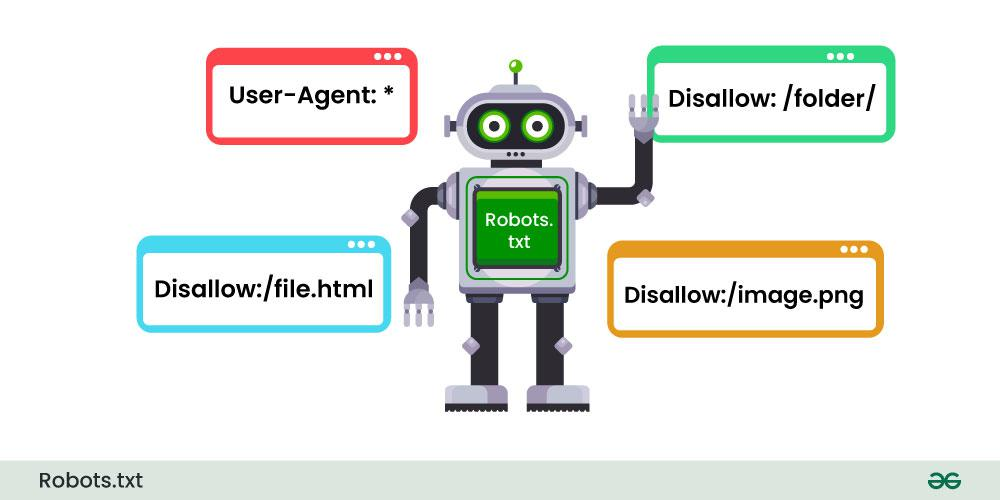
Block OpenAI's crawlers to protect your content and you'll hide your products from the most powerful shopping engine on the internet.
Plenty of store owners blocked GPTBot site-wide, worried their data would train AI models without consent. Fair concern. But OpenAI split its training crawler from its search crawler. To show up in ChatGPT Shopping you have to explicitly allow OAI-SearchBot, the bot that pulls live pricing, availability, and product details for real-time chat answers. Training stays with GPTBot.
On Shopify it's a quick edit to your robots.txt.liquid file. Give OAI-SearchBot full access to your /products and /collections paths and the assistant can verify your product exists and is ready to buy. Without that access, it falls back to bigger marketplaces like Amazon or Walmart, where your data is already indexed.
The "design-to-delivery" loop: Visual and aesthetic optimization
AI can design a room or an outfit, then recommend your shop to fulfill the vision, all off your visual metadata.
Call it visual intent. Ask ChatGPT to "Design a minimalist home office with a tech-focused vibe" and it uses vision to picture what that means, then queries its index for products that match the look. If your alt-text and titles read "Black Desk", you get skipped.
So write image metadata that's descriptive and aesthetic-first. Something like "minimalist matte black standing desk with hidden cable management, built for a tech-focused home office". Now the assistant sees your product as a piece of the shopper's design dream. This design-to-delivery loop is how home decor, fashion, and lifestyle brands will pull organic leads in 2026.
Structured data as your "AI sales pitch"
Structured data is the language ChatGPT uses to compare your products against competitors in a fraction of a second.
An LLM can parse a paragraph, but it trusts structured data. Comprehensive JSON-LD schema (Product, Offer, and AggregateRating) is mandatory. It hands the assistant a spec sheet it can drop straight into a comparison table inside the chat.
| Essential Schema Property | Why ChatGPT Needs It |
|---|---|
| price & priceCurrency | To satisfy users with strict budget constraints. |
| availability | To ensure the AI doesn't recommend an out-of-stock item (which breaks user trust). |
| aggregateRating | To provide social proof and "referral weight" in competitive categories. |
| material & color | To match specific aesthetic or allergy-related queries. |
Narrative equity: Building authority outside your storefront
ChatGPT's recommendations lean hard on off-page signals, especially discussions on Reddit, expert review sites, and YouTube.
When it recommends a product, ChatGPT often explains why, citing "user consensus on Reddit" or "expert reviews from Wirecutter". We call that narrative equity. If your brand only shows up on your own website, the assistant treats your claims as unverified.
Ranking in ChatGPT Shopping takes a distributed brand presence. A few moves matter:
- Push for detailed reviews. Specific sentiment wins: "the battery lasted 3 days" says more than "great product".
- Show up where the conversation happens. Niche subreddits and forums are where the assistant listens for authenticity.
- Earn citation-ready mentions. A spot in a listicle like "Top 10 Eco-Friendly Kitchen Gadgets" gives the AI the authority it needs to cite your link with confidence.
Winning ChatGPT Shopping comes down to two things working together: technical precision, like unblocking OAI-SearchBot, and product data that treats the assistant as a sharp partner. Give it structured, honest data with real context and it'll do its job and point shoppers to your store.
That is the AI product visibility layer: whether the assistant names your store when the buyer is ready to act. If your brand appears but your store does not, the gap usually looks like the citation gap in ChatGPT Shopping. Want to know if it already recommends yours? run a free check.
Frequently asked questions (FAQ)
What is GEO (generative engine optimization)?
GEO means tuning your website and product data so AI engines like ChatGPT, Gemini, and Perplexity cite and recommend you.
How do I know if ChatGPT is finding my products?
Check your GA4 (Google Analytics) traffic for referrals from chatgpt.com. You can also audit your brand by hand: ask ChatGPT for recommendations in your niche and see whether your store comes up.
Do I need to pay for ads in ChatGPT Shopping?
No, not yet. As of 2026, ChatGPT Shopping results are primarily organic and ranked on relevance. OpenAI has begun testing "sponsored information" mockups, though, so a paid model is likely on the way.
Can I block ChatGPT from training on my data but still appear in search?
Yes. Disallow GPTBot (the training crawler) in your robots.txt while allowing OAI-SearchBot (the search and shopping crawler).
Why does ChatGPT link to Amazon instead of my own Shopify store?
Usually because Amazon has stronger structured data and a higher "trust score" in the AI's index. Closing that "citation gap" means improving your on-site Schema.org markup and earning more third-party mentions.